
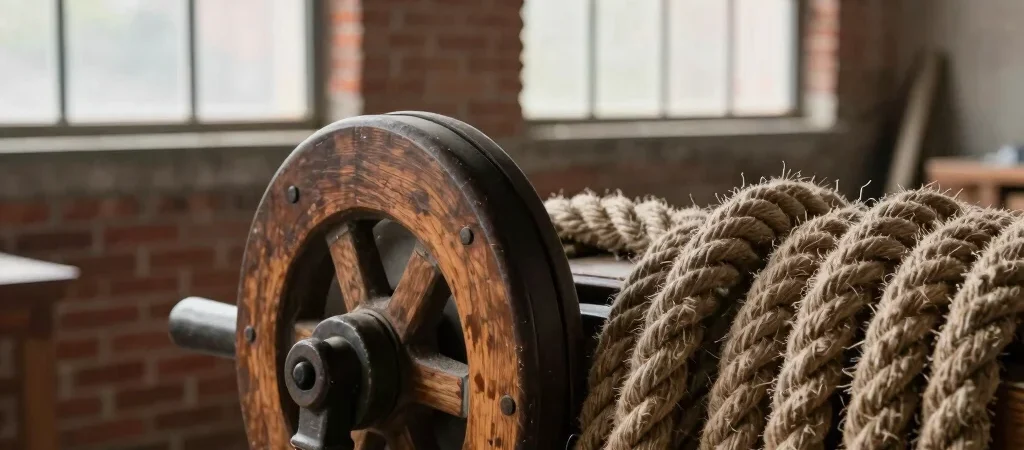
Long before travelers gathered in Dorset for artisan bread and coastal hiking, Bridport was global capital to an entirely different trade. For hundreds of years, the town’s economy spun around hemp, flax, and rope production. From grand naval rigging to championship tennis nets, the humble cords twisted in these valleys sailed to every corner of the earth.
Long Gardens Built for Twisting Hemp
If you wander through Bridport's residential streets, you will notice unusually long, narrow plots extending behind many older houses. These signature strips, known locally as rope walks, were designed in medieval times so workers could stretch and twist long strands of fiber outdoors. That unique urban layout still dictates the flow and spacious feel of the town today.
From Industrial Looms to Artist Studios
When large-scale cordage manufacturing evolved in the twentieth century, Bridport chose creative reinvention over decay. Empty twine factories and timber warehouses were adapted into shared spaces for painters, sculptors, and ceramicists. The high ceilings and generous north light that once aided net-weavers now light up canvas work and hand-thrown pottery.
Spotting Heritage in Everyday Details
Discovering this industrial heritage does not require visiting a dusty museum exhibit. Keep your eyes open while strolling through town alleys to spot cast-iron pulley brackets above doorways and old stone drying walls tucked behind cafes. Bridport wears its working-class history proudly, weaving past industrial pride straight into its vibrant cultural present.